
Comprehensive Guide to Security Audits and Compliance
Comprehensive Guide to Security Audits and Compliance
The realm of cybersecurity constantly evolves, posing new challenges for organizations aiming to protect sensitive information. Understanding security audits, vulnerability management, GDPR compliance, SOC2 compliance, ISO27001 compliance, incident response workflows, threat modeling, and penetration testing is vital for achieving robust security posture.
Understanding Security Audits
Security audits involve a comprehensive assessment of an organization's information systems to ensure compliance with policies, regulations, and standards. These audits help identify vulnerabilities and assess the effectiveness of security controls. They can be categorized into internal and external audits:
- Internal Audits: Conducted by in-house teams, focusing on internal policies and controls.
- External Audits: Performed by third parties to provide an unbiased view of the organization's security posture.
Each audit typically follows a structured approach that includes planning, fieldwork, reporting, and follow-up. By conducting regular audits, organizations can bolster their defenses against cyber threats.
Vulnerability Management
Vulnerability management is an ongoing process that involves identifying, evaluating, treating, and reporting vulnerabilities within an organization's IT environment. The goal is to systematically address vulnerabilities before they can be exploited by attackers. Key steps include:
- Identification: Regularly scanning systems for known vulnerabilities using automated tools.
- Assessment: Prioritizing vulnerabilities based on their severity and potential impact.
- Treatment: Implementing patches and fixes to mitigate identified vulnerabilities.
- Reporting: Maintaining documentation for compliance and continual improvement.
GDPR Compliance
The General Data Protection Regulation (GDPR) establishes strict guidelines for the collection and processing of personal information within the European Union. Organizations must ensure they are compliant by:
- Obtaining explicit consent for data collection.
- Implementing measures to ensure data security and breach notification.
- Providing data subjects with rights regarding their personal data.
Non-compliance can lead to substantial fines, emphasizing the importance of a thorough compliance strategy.
SOC2 Compliance
SOC2, or System and Organization Controls 2, focuses on the security, availability, processing integrity, confidentiality, and privacy of data. Achieving SOC2 compliance requires organizations to:
- Define and enforce policies and procedures aligned with SOC2 criteria.
- Regularly assess the effectiveness of control mechanisms.
- Undergo an independent audit to verify compliance.
ISO27001 Compliance
ISO27001 is an international standard for information security management systems (ISMS). It provides a systematic approach to managing sensitive company information. Key components for achieving compliance include:
- Establishing an ISMS policy and objectives.
- Conducting a risk assessment to identify and manage risks.
- Implementing appropriate security controls.
Organizations must maintain continual improvement in their ISMS through regular reviews and updates, ensuring resilience against evolving threats.
Incident Response Workflows
Incident response workflows are essential for organizations to handle security incidents efficiently. An effective incident response plan includes:
- Preparation: Establishing communication plans and response teams.
- Detection: Identifying and analyzing incidents promptly.
- Containment: Implementing measures to limit damage during an incident.
- Eradication and Recovery: Addressing the root cause and restoring affected systems.
By streamlining these workflows, organizations can minimize the impact of incidents on their operations.
Threat Modeling
Threat modeling is a proactive approach to identify, understand, and prioritize potential threats to an organization's systems. Key steps include:
- Identifying assets and their value to the organization.
- Understanding potential adversaries and their capabilities.
- Analyzing the potential impact and likelihood of identified threats.
This structured examination allows organizations to focus their resources where they are needed most, enhancing overall security posture.
Penetration Testing
Penetration testing simulates cyberattacks against an organization’s systems to identify vulnerabilities before malicious actors can exploit them. This testing process includes:
- Planning and reconnaissance to gather information about the target.
- Exploitation to gain access to systems.
- Reporting findings and providing recommendations for remediation.
Regular penetration tests help maintain an organization's security by ensuring that vulnerabilities are promptly identified and addressed.
Frequently Asked Questions (FAQ)
What is the purpose of a security audit?
A security audit aims to evaluate and improve an organization’s security posture by identifying vulnerabilities and assessing compliance with policies and regulations.
How often should vulnerability assessments be conducted?
Vulnerability assessments should be conducted regularly—at least quarterly or after significant changes to the network—to maintain security efficacy.
What are the benefits of SOC2 compliance?
SOC2 compliance enhances trust with clients by demonstrating a commitment to protecting their data, ultimately leading to competitive advantages and business growth.

משלוח עם קוד מעקב, קיימת אפשרות למשלוח מהיר.

קניה מאובטחת בכרטיסי אשראי או פייפאל. והחזר כספי מלא אם המוצר פגום או לא כמו שהזמנתם.

שירות לקוחות לכל שאלה במייל, טלפון או וואטסאפ.

שמלות ערב לנשים – עכשיו גם אתם יכולות

מבחר ענק של כיסויי ראש לנשים

חצאיות לנערות

עוד שמלות לילדות
-
 שמלת ערב יוקרתית לילדות בצבע שחור מקטיפה עם פייטים מזהב שזורים בעבודת יד אורך רצפה, שרוול קצר וסרט קשירה מאחור - ברמה עולמית
₪440.00 – ₪508.00
שמלת ערב יוקרתית לילדות בצבע שחור מקטיפה עם פייטים מזהב שזורים בעבודת יד אורך רצפה, שרוול קצר וסרט קשירה מאחור - ברמה עולמית
₪440.00 – ₪508.00
-
 שמלת נשף שחורה לילדות עם זהב, 2 קומות ארוכה עם נוצצים מזהב סגנון קרנבל, שרוול ארוך בעיצוב מטורף
₪111.00 – ₪335.00
שמלת נשף שחורה לילדות עם זהב, 2 קומות ארוכה עם נוצצים מזהב סגנון קרנבל, שרוול ארוך בעיצוב מטורף
₪111.00 – ₪335.00
-
 שמלה אלגנטית ארוכה לילדות מעוטרת ברקמה מיוחדת ופנינים, שרוולים ארוכים, פפיון אחורי, 4 צבעים לבחירה
₪83.00 – ₪149.00
שמלה אלגנטית ארוכה לילדות מעוטרת ברקמה מיוחדת ופנינים, שרוולים ארוכים, פפיון אחורי, 4 צבעים לבחירה
₪83.00 – ₪149.00
-
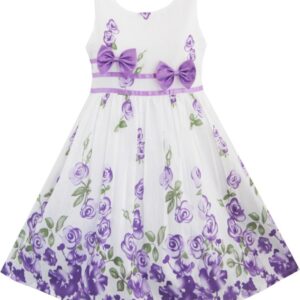 שמלת קיץ פרחונית גובה ברך מיוחדת עם סרט ללא שרוול
₪82.00 – ₪135.00
שמלת קיץ פרחונית גובה ברך מיוחדת עם סרט ללא שרוול
₪82.00 – ₪135.00
-
 שמלת אירועים יוקרתית לילדות מסטן, שרוול קצר עם פפיון אורך רצפה, איכותית ביותר,5 צבעים לבחירה
המחיר המקורי היה: ₪449.00.₪299.00המחיר הנוכחי הוא: ₪299.00.
שמלת אירועים יוקרתית לילדות מסטן, שרוול קצר עם פפיון אורך רצפה, איכותית ביותר,5 צבעים לבחירה
המחיר המקורי היה: ₪449.00.₪299.00המחיר הנוכחי הוא: ₪299.00.
-
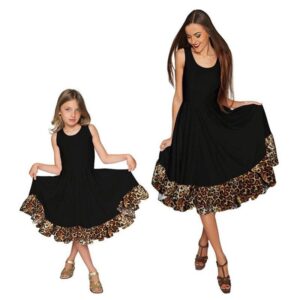 שמלות קיץ תואמות לאם ולבת, אורך שוק ללא שרוולים, שחור מנומר
₪74.00 – ₪106.00
שמלות קיץ תואמות לאם ולבת, אורך שוק ללא שרוולים, שחור מנומר
₪74.00 – ₪106.00
-
 שמלת נסיכה שנהב מלאה נצנצים שרוולים מנופחים ארוכים שזורה פייטים ומשובצת אבנים
המחיר המקורי היה: ₪844.00.₪380.00המחיר הנוכחי הוא: ₪380.00.
שמלת נסיכה שנהב מלאה נצנצים שרוולים מנופחים ארוכים שזורה פייטים ומשובצת אבנים
המחיר המקורי היה: ₪844.00.₪380.00המחיר הנוכחי הוא: ₪380.00.
-
 שמלת כותנה לבנה לילדות עם שרוול ארוך אלגנטית אורך שוק - 100% כותנה
המחיר המקורי היה: ₪299.00.₪242.00המחיר הנוכחי הוא: ₪242.00.
שמלת כותנה לבנה לילדות עם שרוול ארוך אלגנטית אורך שוק - 100% כותנה
המחיר המקורי היה: ₪299.00.₪242.00המחיר הנוכחי הוא: ₪242.00.
-
 שמלה פרחונית תואמת לאם ולבת שרוול קצר, גובה ברך, לבנה עם פרחים וורודים
₪74.00 – ₪107.00
שמלה פרחונית תואמת לאם ולבת שרוול קצר, גובה ברך, לבנה עם פרחים וורודים
₪74.00 – ₪107.00
-
 שמלת שיפון קייצית לילדות בצבע לבן, ללא שרוולים אורך ברך, עדינה ומעודנת לקייץ - מידות 4-14
₪147.00 – ₪163.00
שמלת שיפון קייצית לילדות בצבע לבן, ללא שרוולים אורך ברך, עדינה ומעודנת לקייץ - מידות 4-14
₪147.00 – ₪163.00
-
 שמלה קייצית לילדות, שרוול קצר מכותנה, ויסקוזה, פוליאסטר ב-5 צבעים לבחירה בעיצוב מיוחד
₪146.00 – ₪162.00
שמלה קייצית לילדות, שרוול קצר מכותנה, ויסקוזה, פוליאסטר ב-5 צבעים לבחירה בעיצוב מיוחד
₪146.00 – ₪162.00
-
 שמלת שושבינה לילדות מסטין עם שרוולים ארוכים בעיצוב מיוחד שזורה פנינים בצבע שנהב עם שובל אחורי מהמם
המחיר המקורי היה: ₪299.00.₪269.00המחיר הנוכחי הוא: ₪269.00.
שמלת שושבינה לילדות מסטין עם שרוולים ארוכים בעיצוב מיוחד שזורה פנינים בצבע שנהב עם שובל אחורי מהמם
המחיר המקורי היה: ₪299.00.₪269.00המחיר הנוכחי הוא: ₪269.00.
-
 שמלות תואמות לאם ולבת מקטיפה, שרוול ארוך, מאוד אופנתי ומודרני, 4 צבעים לבחירה
₪74.00 – ₪155.00
שמלות תואמות לאם ולבת מקטיפה, שרוול ארוך, מאוד אופנתי ומודרני, 4 צבעים לבחירה
₪74.00 – ₪155.00
-
 שמלת שושבינה לילדות סדרת "ורוד עתיק" סטרפלס עם רקמות פרחים ואפליקציות, שובל אחורי הגרר מהכתפיים, חלום של כל ילדה
₪406.00 – ₪432.00
שמלת שושבינה לילדות סדרת "ורוד עתיק" סטרפלס עם רקמות פרחים ואפליקציות, שובל אחורי הגרר מהכתפיים, חלום של כל ילדה
₪406.00 – ₪432.00
-
 שמלת לוליטה לילדות שרוול קצר, בעיצוב מיוחד, אורך שוק בצבע ורוד עם וסרטים מטורפים, למסיבות או יום הולדת
₪135.00 – ₪156.00
שמלת לוליטה לילדות שרוול קצר, בעיצוב מיוחד, אורך שוק בצבע ורוד עם וסרטים מטורפים, למסיבות או יום הולדת
₪135.00 – ₪156.00